miércoles, 14 de octubre de 2015
martes, 13 de octubre de 2015
How Fernando Menis is reusing the wood in Architecture.
The
challenge was to create passion for the beauty of the place and to achieve this
we propose the mixture between reason and emotion in Bürchen, Switzerland.
"We proposed the challenge of rethinking about and
reconsidering a place for the foreseeable future, a tourist space but local at
the same time, characterized by its breathtaking nature. The proposal is
focused on experimenting, investigating, innovating, in the use of wood."
viernes, 9 de octubre de 2015
My top story this week, the opening of a small square in #Bürchen, #Switzerland by #FernandoMenis
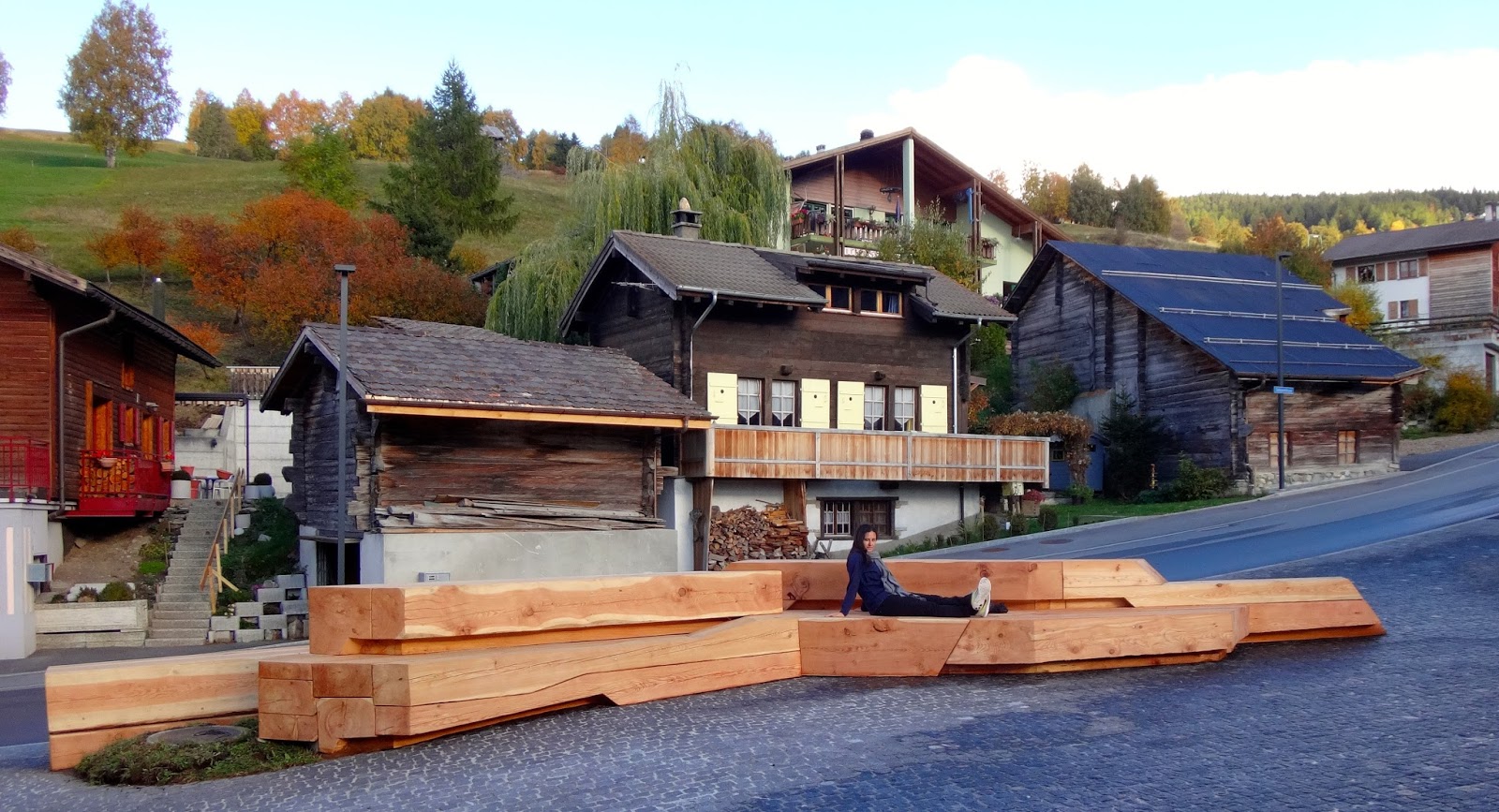
Among wonderful mountains the inauguration of this square, built on Bürchen, Switzerland, will take place on the
11th October.
This intervention in a public space, designed by the architect Fernando Menis,
will be a new public space where tradition and timeless design will be in
harmony.
The peculiarity of this square is due of its distinct
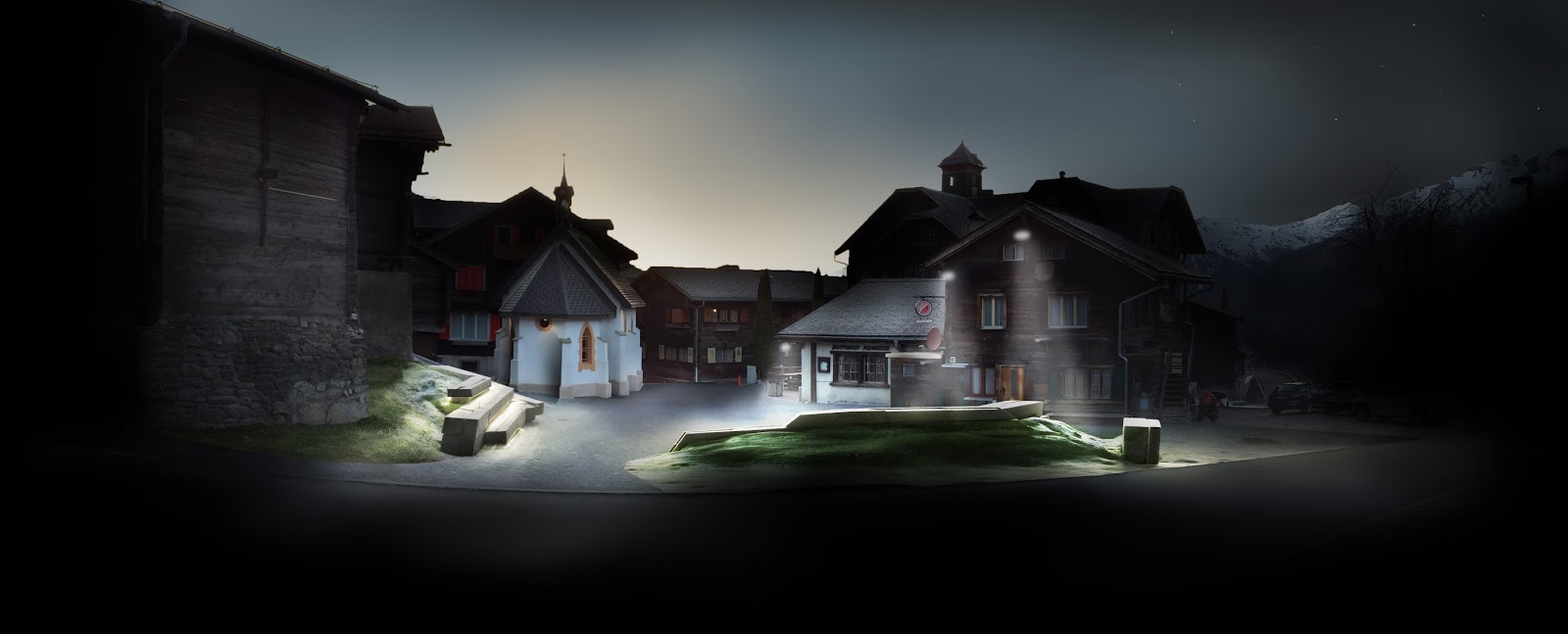
characteristics: the illumination and
the used materials for the construction.
The illumination will work as a play of lights that
will be changing, interacting this way with people that will be walking there. Different lights will be also changing
according the season of the year. Local
materials were used with the purpose of
combining modernization and at the same time as a way to preserve the natural landscape and
views. The use of timber as
the main material, with its large local history, allows the reopening of the timber factory, generating
employment in Bürchen.
This was a challenge to rethinking and reconsidering a
place for the foreseeable
future, a touristic space that can be also characterized by its breathtaking
nature.
Although being a public-private
investment, the project has a strong social character, while making a
profitable business for investors. This will work as an economic engine for Bürchen by increasing tourism, generating a positive
synergy that will activate the timber activity of the village.
This is one of the
many projects that Fernando Menis, founder of his own studio , has been built
around the world.
Fernando Martín Menis
Architect, Associated Professor at the University of Hong Kong (UHK),
the European University of Madrid (UEM) and Canarias (UEC) and Chairman of the
Laboratory for Innovation in Architecture, Design and Advanced Tourism of
Tenerife. Member of Jury, Workshop Director and Guest Lecturer at Harvard,
Columbia NY, ESA Paris, TU Berlin Universities, Akbield Wien Academy and at
Architecture Congresses in Switzerland, Australia, India, Singapore, Taiwan,
China, South Africa, Croatia, Italy, Poland, Colombia, Mexico and so on.
He is the author of many projects like the swimming pool of the Spree
River at Berlin, of Tenerife Magma Art
& Art Congress Center, the Adeje square in Spain or the Church of
Chumberas, part of a collection of MOMA New York.
domingo, 4 de octubre de 2015
Carta de Adán Martín sobre los Museos de la Isla de Tenerife.
Esta carta fue escrita por Adán Martín hace ya mucho tiempo, más de 7 años, cuando él ya no era presidente del Cabildo ni del Gobierno de Canarias. Hace poco la encontré y, por su vigencia, quería compartirla con ustedes. El fue el artífice de la red de museos que tiene la isla de Tenerife, fue quien decidió crear el Museo de la Ciencia y el Cosmos, el Museo de Historia de Tenerife y el Museo del Hombre y la Naturaleza, otros le ayudamos a crear el TEA, como museo de arte contemporáneo de la isla, o la Casa de Carta como Museo etnográfico pero sin su impulso nada de esto hubiera sido posible. De hecho ni una sola nueva iniciativa relevante más ha sido tomada posteriormente. Ni siquiera se ha iniciado una renovación ya necesaria en algunos, como por ejemplo, el Museo de Historia de Tenerife, cuyo diseño expositivo ha ido quedándose un poco obsoleta con los 20 años transcurridos desde su inauguración, aunque sigue siendo maravilloso visitarlo.
"Los contenedores de la ciencia, la vida y la belleza"
La Red de Museos del Cabildo de Tenerife es uno de los proyectos más bonitos que me tocó impulsar en los doce años de mi mandato en el Cabildo de Tenerife.
A partir de un pequeño Museo Arqueológico ubicado en la segunda planta del Palacio Insular, en Santa Cruz de Tenerife, y de una Casa de Carta, en la costa norte de la Isla, a medio rehabilitar, se plantaron los cimientos de la red y se desarrollaron las sietes piezas que hoy conforman la oferta museística pública de la isla, el Museo de la Ciencia y el Cosmos, el Museo del Hombre y la Naturaleza, el Museo de Arqueología de Tenerife, el Instituto Canario de Bioantropología, , el Museo de Historia y Antropología de Tenerife, y el Centro de Documentación de Canarias y America a la que se añadió finalmente el TEA, dedicado a la cultura contemporánea y a la figura del surrealista Oscar Domínguez y que incluye en su seno el Centro de Fotografía de Tenerife.

Los resultados no respondieron a la casualidad o a las ocurrencias. Fueron el fruto de uno de los más de cincuenta planes desarrollados por el Cabildo entonces, en el marco de una nueva cultura de planificación, gestión por objetivos y presupuesto por programas que tuve la suerte de implementar en el Cabildo gracias a la calidad, formación y actitud de unos medios humanos magníficos, extraordinarios, de entrañable recuerdo. Sin esos equipos, la fortaleza, prestigio y operatividad del Cabildo nunca hubiera alcanzado la excelencia de la que puede presumir.
No puedo hablar de cada uno de los centros en apenas unas líneas. Me disculparan si los represento a todos en el que era un tipo de museo atípico en los años ochenta, con pocos ejemplos en España: El Museo de la Ciencia y el Cosmos. Me lo inspiró una de las ciudades museísticas más potentes del mundo, Londres. Era una ocasión para aprovechar también la enorme experiencia del Instituto de Astrofísica de Canarias y para sembrar o inocular inquietudes tecnológicas en una sociedad entonces más centrada en las ciencias humanísticas que en todas las variadas tecnologías que ahora mueven al mundo.
Cuando paseo por los museos, me invade una legítima sensación de orgullo. Son la muestra viva de la recuperación de nuestra memoria histórica en múltiples vertientes. Y siguen siendo germen de futuro, caldo de cultivo para muchas vocaciones, inspiración para los mejores sentimientos y contenedores también de uno de los mejores placeres que la vida nos depara: el aprendizaje a través de la contemplación de la belleza.
Adán Martín Menis
Ex-presidente del Cabildo de Tenerife y del Gobierno de Canarias"
viernes, 2 de octubre de 2015
HARMONIZING NATURE AND CULTURE: BÜRCHEN MYSTIK Rethinking tourism through bipolarity between the residents of Bürchen and its visitors. First step: a new public square
HARMONIZING NATURE AND CULTURE IN AN SMALL SQUARE IN SWITZERLAND, BY FERNANDO MENIS.
Bürchen Mystik project, by Fernando Menis, aims to harmonize the bipolarity
between two forces, the social and the economic. While the locals wish to develop the town and
keep their youth from leaving for cities, the visitors want to experience the
untouched landscape of the Swiss countryside. How do we use the opportunity of a hotel to merge these two opposing
desires?
Our
response is to rethink
tourism through bipolarity between the residents of Bürchen and its visitors, creating
benefits for both the public and private sector. With a new architectural
approach for sustainable tourism, the aim is to reactivate the
identity of the place. It is a new architecture about the quality of life
and the landscape.
Now, on october 11th we begin with an small urban, invisible and atemporal intervention. We tray to create a reinterpretation of use of wood in the local environment, only some benches and nature and water which make possible the divers uses during the year.
The architecture is veiled by the hills (60% of
the total integrated into the landscape), to satisfy the visitors’ need for a
pure countryside. The
plaza becomes the heart of the town; it is the public space where cultural
activities take place. This
large multifunctional space works as a gateway to the hotel as well as public
space for the inhabitants, enabling interaction
between locals and visitors.
The
architectural design originates from the spirit of its place. It is the landscape itself and the
vernacular architecture that guides us on our intervention. By
respecting the landscape and avoiding a
´building´, the project is introduced into the landscape in such a natural
way as if it were always there.
The hotel
becomes an economic engine not only
benefiting its private investors, but also moving
the economy of the town through tourism and development. The
hotel thereby offers a new way to
appreciate the city’s identity and its context, away from its role as a
historical place and a tourist destination. This is the next step, an exciting challenge.
@DulceXerach
martes, 8 de septiembre de 2015
Arte y Arquitectura: Iglesia del Santísimo redentor. Menis Arquitectos....
Arte y Arquitectura: Iglesia del Santísimo redentor. Menis Arquitectos....: Situada en la ciudad de La Laguna en Tenerife, la Iglesia del Santísimo redentor está pensada para crear un espacio que incite a la reflexi...
Suscribirse a:
Comentarios (Atom)